Pool Opening Checklist 2026: 10 Steps + Gear You Need
By The TopDealsFindr TeamPublished May 21, 2026
Opening your pool in spring is 80% prep, 20% chemistry. Get the order wrong and you'll spend a week chasing cloudy water. Follow this 10-step checklist — refined over five seasons — and you'll go from winter cover to first swim in a single weekend.
What you'll need
- A robotic pool cleaner — see picks below. This single tool replaces 6+ hours of manual vacuuming.
- A digital test kit — strips lie. A drop-test kit (Taylor K-2006) is the only one pros trust.
- Startup chemicals — pool shock (calcium hypochlorite), algaecide, chlorine tablets, pH up/down.
- A telescopic pole + leaf rake — for the surface debris the robot won't grab.
10 steps from cover to first swim
1. Clear and remove the cover (don't drag it)
Pump standing water off the cover first — never drag it across the pool with leaves and silt on top, or you'll dump everything in. A cheap submersible pump pays for itself the first season.
2. Inspect and reinstall hardware
Put ladders, handrails, return-jet eyeballs and skimmer baskets back. Check gaskets and O-rings — replace anything cracked. This is the cheapest 10 minutes you'll spend all year.
3. Top up the water level
Fill to the middle of the skimmer opening. Too low and the pump runs dry; too high and the skimmer can't skim.
4. Reconnect the pump, filter and heater
Lubricate O-rings with pool-grade silicone (never petroleum jelly), reattach drain plugs, and prime the pump before starting.
5. Run the system for 12+ hours
Let the filter circulate before you add chemicals. This blends the stagnant winter water with the fresh top-up.
6. Drop a robotic cleaner in
This is where most checklists fail you. A good robot (see below) cleans the floor and walls overnight while you sleep — no scrubbing, no shoulders. It's also the difference between cloudy water for a week and crystal-clear water by Sunday.
7. Test the water (drop test, not strips)
Target: pH 7.4–7.6, alkalinity 80–120 ppm, calcium hardness 200–400 ppm, chlorine 1–3 ppm, cyanuric acid 30–50 ppm. Adjust alkalinity FIRST — it locks pH in place.
8. Shock the pool
Use calcium hypochlorite at dusk (UV burns chlorine off in daylight). 1 lb per 10,000 gallons for a normal opening; double it if the water is green. Run the pump 8+ hours after.
9. Add algaecide + first chlorine tablets
24 hours after the shock, add a polyquat 60 algaecide and load the chlorinator or floater with 3" tabs. This is your insurance policy for the next 2 weeks.
10. Re-test in 24h and swim
If chlorine has dropped below 3 ppm and the water is clear, you're done. Total elapsed time done correctly: one weekend.
The one tool that saves the weekend
If you only buy one thing for opening day, make it a robotic pool cleaner. Manual vacuuming a winter-dirty pool takes 4–6 hours and re-stirs every speck of dust. A robot runs unattended for 2 hours and bags everything. Two picks depending on your pool:
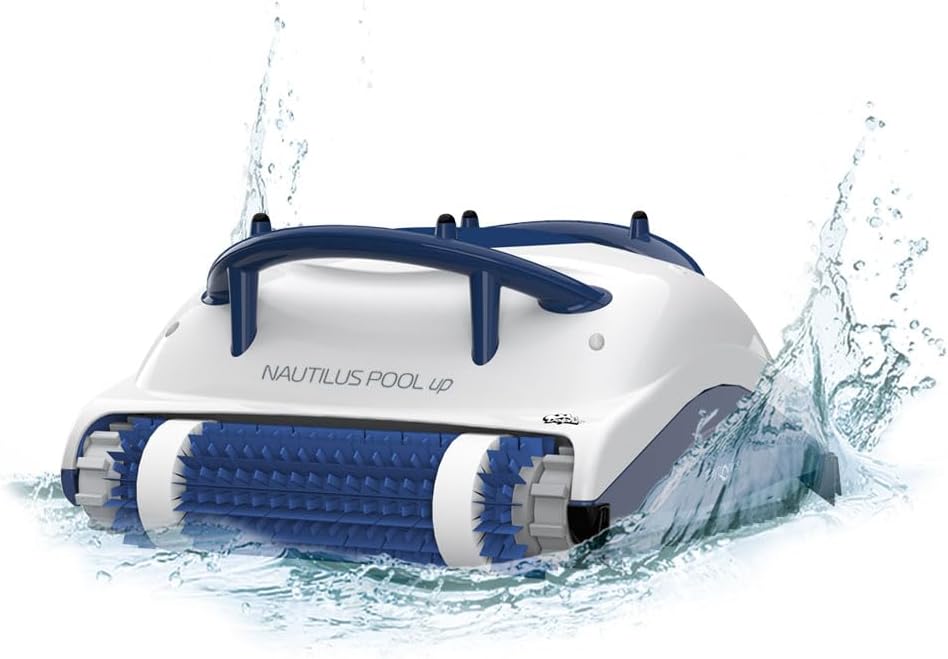
Dolphin Nautilus CC Plus
Best for in-ground pools — corded, climbs walls, finishes the opening in one cycle.
- Cleans floor, walls and waterline in one 2-hour cycle
- Top-loading filter — rinse in 30 seconds
- Handles heavy spring debris
- Corded — needs a poolside outlet
- Heavy for above-ground pools
The single best opening-day purchase under $500. Pays for itself in one season vs. paying a pool service to vacuum.
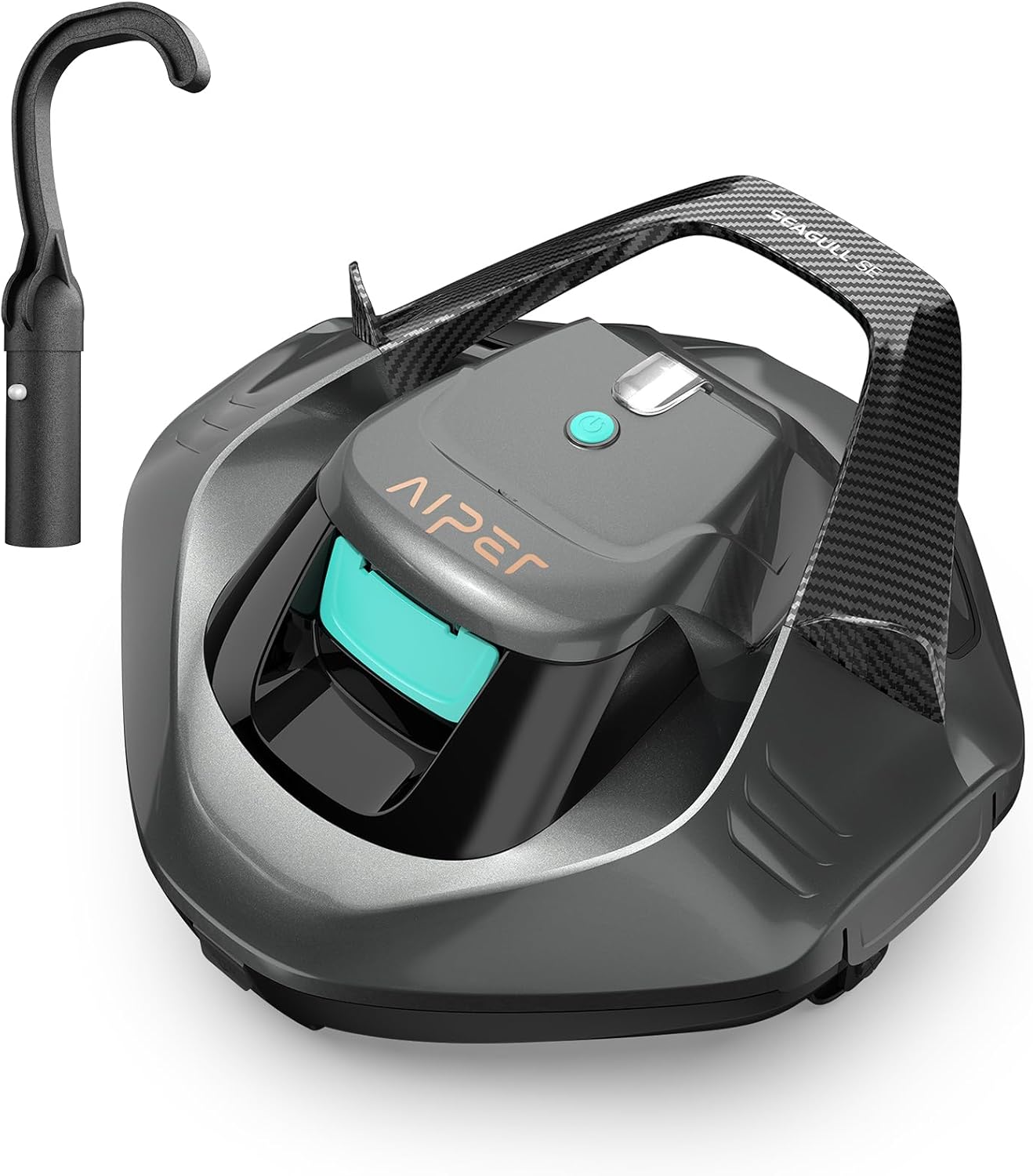
Aiper Seagull SE
Best for above-ground + small in-ground — cordless, drops in, 90-minute runtime.
- Fully cordless — no outlet, no hose
- Self-parks at the wall
- Cheapest cordless that actually works
- Floors only — no wall climbing
- Battery limits very large pools
If your pool is above-ground or under 30ft, this is the smartest $299 you'll spend all year.
5 things to avoid
- Adding shock and algaecide at the same time — the shock burns off the algaecide. Wait 24h.
- Trusting test strips — they drift wildly. Use a drop kit.
- Shocking at noon — UV destroys 90% of the chlorine in 2 hours. Always shock at dusk.
- Skipping the 12h circulation step — adding chemicals to stagnant water creates dead zones the filter can't reach.
- Vacuuming manually — you'll re-stir debris into the water column. Let the robot do it.
Frequently asked questions
How long does pool opening take?
With a robot and the right chemicals, one weekend. Without — 5–7 days of cloudy water before you can swim.
Can I open the pool myself or should I hire a pro?
DIY costs about $80 in chemicals. A pro service runs $250–$450. The robot pays for itself in 1–2 openings if you'd otherwise pay a service.
What if the water is bright green?
Double-shock (2 lb per 10,000 gallons), drop the robot in, run the pump 24h continuously. Add a polyquat 60 algaecide after the chlorine drops below 5 ppm.
When is the right time to open?
When daytime temps consistently hit 65°F (18°C). Opening too late means a bigger algae bloom; opening too early wastes chlorine.
The 80/20 of opening day
80% of opening-day success comes from two things: letting the system circulate before adding chemicals, and using a robot instead of a manual vacuum. Get those right and the chemistry takes care of itself.
Disclosure: TopDealsFindr earns a commission on purchases made through links in this article. It never affects which products we recommend.
More pool guides
- Best Robot Pool Cleaners 2026: Top 5 Picks Ranked — the full buyer's guide.
- Dolphin Nautilus CC Plus vs Polaris 9550 Sport — the corded in-ground head-to-head.
- Best Robot Vacuum 2026 — the indoor counterpart.
More guides for you

Found this useful? Share it.
Save to Pinterest%22%2F%3E%0A%20%20%20%20%3Crect%20x%3D%2260%22%20y%3D%2260%22%20width%3D%22880%22%20height%3D%221380%22%20fill%3D%22none%22%20stroke%3D%22%23fbbf24%22%20stroke-width%3D%223%22%2F%3E%0A%20%20%20%20%3Ctext%20x%3D%22500%22%20y%3D%22220%22%20text-anchor%3D%22middle%22%20font-family%3D%22Georgia%2C%20serif%22%20font-size%3D%2234%22%20fill%3D%22%23fbbf24%22%20letter-spacing%3D%228%22%3EOUTDOOR%20%26amp%3B%20POOL%3C%2Ftext%3E%0A%20%20%20%20%3Ctext%20text-anchor%3D%22middle%22%20font-family%3D%22Georgia%2C%20serif%22%20font-size%3D%2296%22%20font-weight%3D%22700%22%20fill%3D%22%23ffffff%22%3E%3Ctspan%20x%3D%22500%22%20y%3D%22340%22%3EPool%20Opening%3C%2Ftspan%3E%3Ctspan%20x%3D%22500%22%20y%3D%22460%22%3EChecklist%202026%3A%2010%3C%2Ftspan%3E%3Ctspan%20x%3D%22500%22%20y%3D%22580%22%3ESteps%20%2B%20Gear%20You%3C%2Ftspan%3E%3Ctspan%20x%3D%22500%22%20y%3D%22700%22%3ENeed%3C%2Ftspan%3E%3C%2Ftext%3E%0A%20%20%20%20%3Ctext%20x%3D%22500%22%20y%3D%221240%22%20text-anchor%3D%22middle%22%20font-family%3D%22Helvetica%2C%20Arial%2C%20sans-serif%22%20font-size%3D%2228%22%20fill%3D%22%23cbd5e1%22%20letter-spacing%3D%224%22%3EEXPERT%20REVIEWS%20%C2%B7%202026%3C%2Ftext%3E%0A%20%20%20%20%3Ctext%20x%3D%22500%22%20y%3D%221360%22%20text-anchor%3D%22middle%22%20font-family%3D%22Helvetica%2C%20Arial%2C%20sans-serif%22%20font-size%3D%2244%22%20font-weight%3D%22700%22%20fill%3D%22%23ffffff%22%20letter-spacing%3D%222%22%3Etopdealsfindr.com%3C%2Ftext%3E%0A%20%20%3C%2Fsvg%3E)